World Water Day is observed globally to highlight the importance of fresh water. It is hard to understand the context of the availability of water when it has always been there at the turn of a tap.
Today, as the world slows to recognise the importance of this sacred resource, we wanted to highlight some of the impacts of fresh water in the developing world.
Clean water is a privilege. It takes infrastructure, environmental policies and the capacity of communities to work together. This is something that often can be assumed to be a core part of every human’s existence. But it’s not! We are not all one and the same. The privileges afforded to some are not the same as others.
When safe water comes to a community, everything changes.
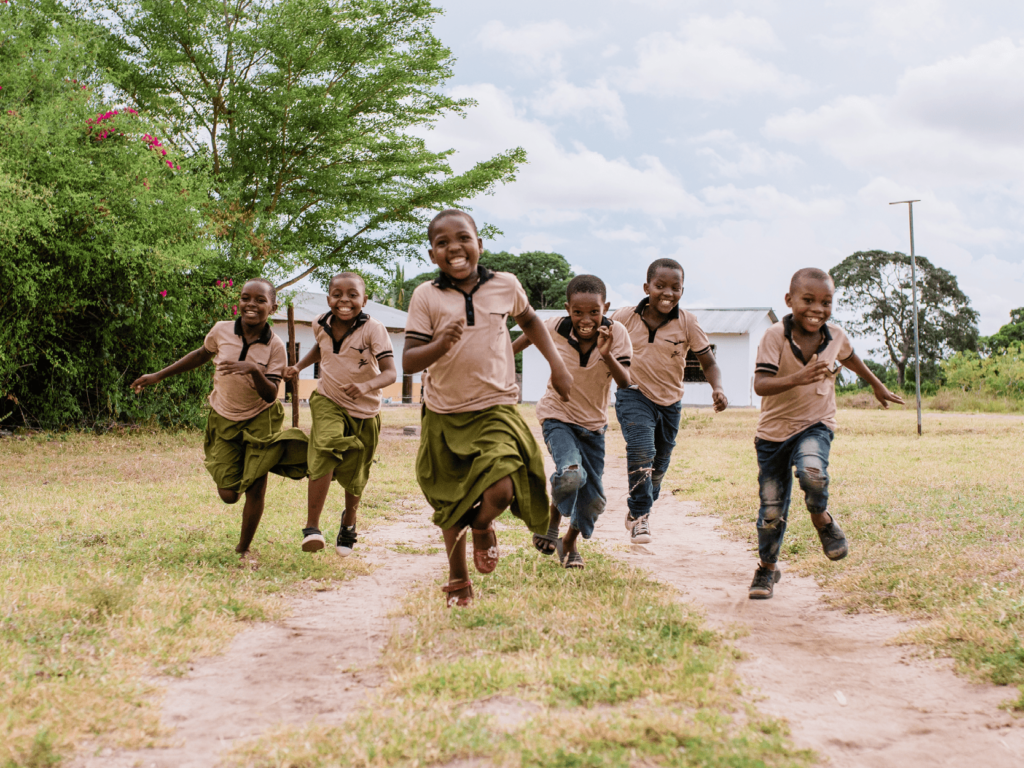
Access to safe water and sanitation is essential in preventing malnutrition, particularly during challenging times like the current global food crisis. When children have access to safe water and sanitation, they spend less time sick and more time playing and learning, while families are no longer forced to spend hours collecting water.
Currently, there are 345 million people experiencing severe food insecurity, and that number does not include 2 billion people globally who do not have access to safely managed drinking-water services.
A moment of reflection: What does it feel like to drink a glass of fresh water when you are thirsty?
Every person is made in the image of a loving, kind and generous God and they have the right to fresh drinking water. Two billion people can’t just turn on a tap to get water. This can be a shocking truth to digest in modern times.
It is an opportunity for us as Christians to reflect on what our response is and to help those who are most vulnerable.
A Collision of Crisis
The difficult collision of the global food crisis with unsafe water and sanitation is placing children’s lives at risk. Water is a key element that impacts children’s nutritional development. Safe water is even more important to children impacted by the global food crisis because unsafe water and sanitation can lead to, or worsen, malnutrition. Up to 50 percent of malnutrition is linked to chronic diarrhea, parasites and other infections caused by unsafe water and poor sanitation.
These conditions leave children unable to absorb nutrients properly, regardless of the food they eat. Because of this, access to safe water and sanitation is just as important as food for children and families facing food insecurity.1
Lessons Being Learnt
Lessons learned by Compassion globally can show us how we can continue to find ways to advocate and support this vital need in the developing world:
- Water solutions need to be facilitated locally. Compassion knows that an important aspect of development work is that it needs to be facilitated by locals, and our local church partners have decades of trust and relationships within their community.
- Another key to a successful, sustainable intervention is community ownership and education. As part of the project, the community is empowered with knowledge about hygiene, sanitation and water storage.
- Access to water is for all, not just a small group. They have learnt that water initiatives have a far-reaching effect, often being open to the general community and not just the children or families involved in the programs.
Some countries that these lessons have been gathered from are:
- In Ethiopia, Burkina Faso and Uganda, roughly half the population do not have access to basic drinking water (47%, 50%, 56% respectively).
- In Kenya, Togo, and Haiti, roughly a third of the country do not have access to basic drinking water (62%, 69%, and 67% respectively.)
A moment of reflection: How can I learn more about the lived experience of poverty and the impact of water and sanitation?
Today, on the 22nd of March, we would like to encourage you to take a moment and pray.
Pray for those who are experiencing the Global Food Crisis and its impact. Pray for those who are experiencing the effect of water scarcity and its impact on their local neighbourhood. Also, let’s together remember to pray for the infrastructure and skill required to maintain these services in places of poverty, so that when safe water flows, everything changes!
Amanda Viviers
Amanda is an author, public speaker and radio presenter with a BA double major in English and Comparative Literature and History. She studied Musical Theatre at WAPPA, birthing her deep love of creativity and innovation, and is the co-founder of?kinwomen, a radio network created to inspire women to start conversations that matter. She is an Executive Director at Compassion Australia. Driven by a passion for justice, she loves finding innovative ways to support children in developing countries and to help people find their voice.