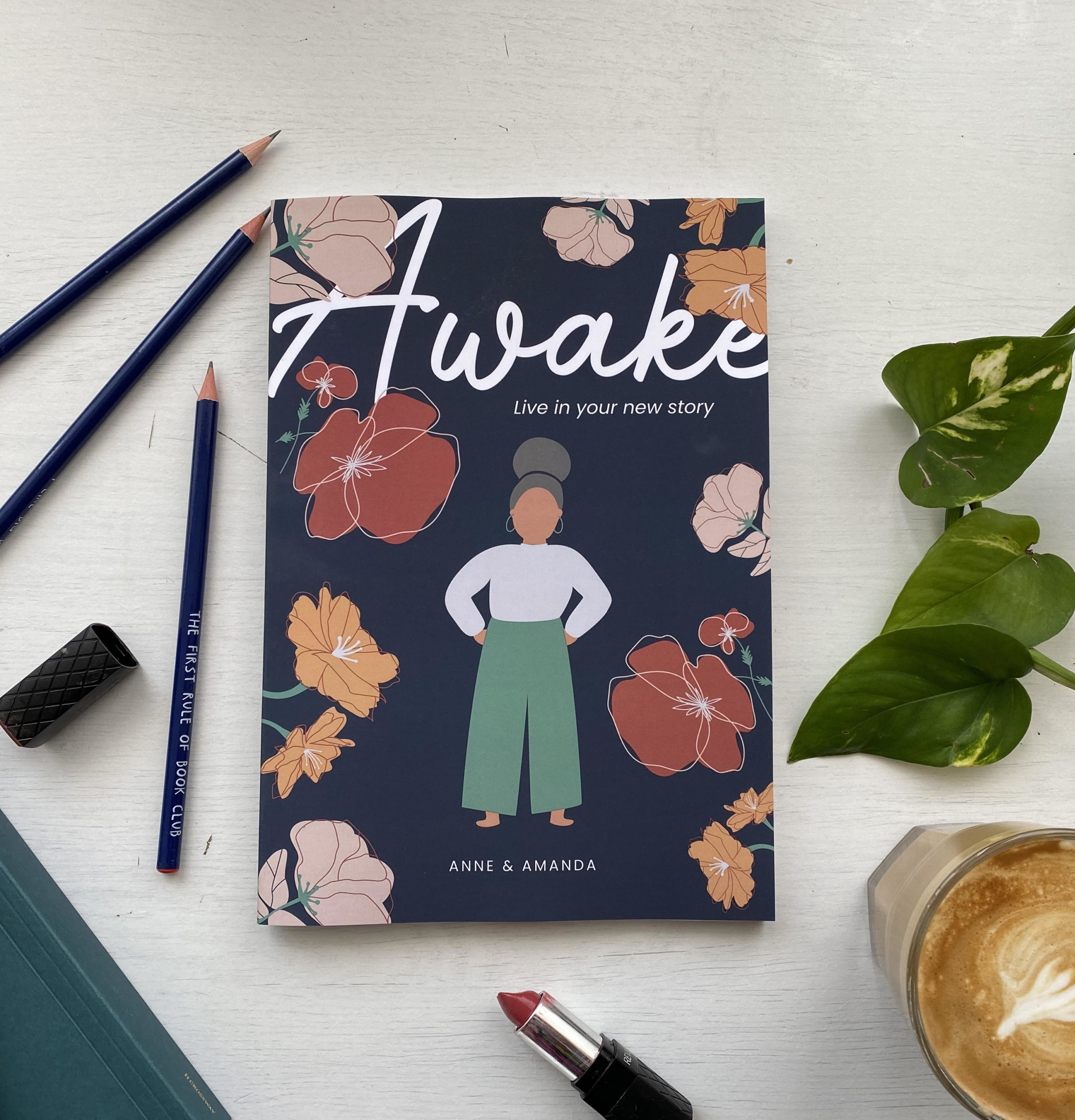
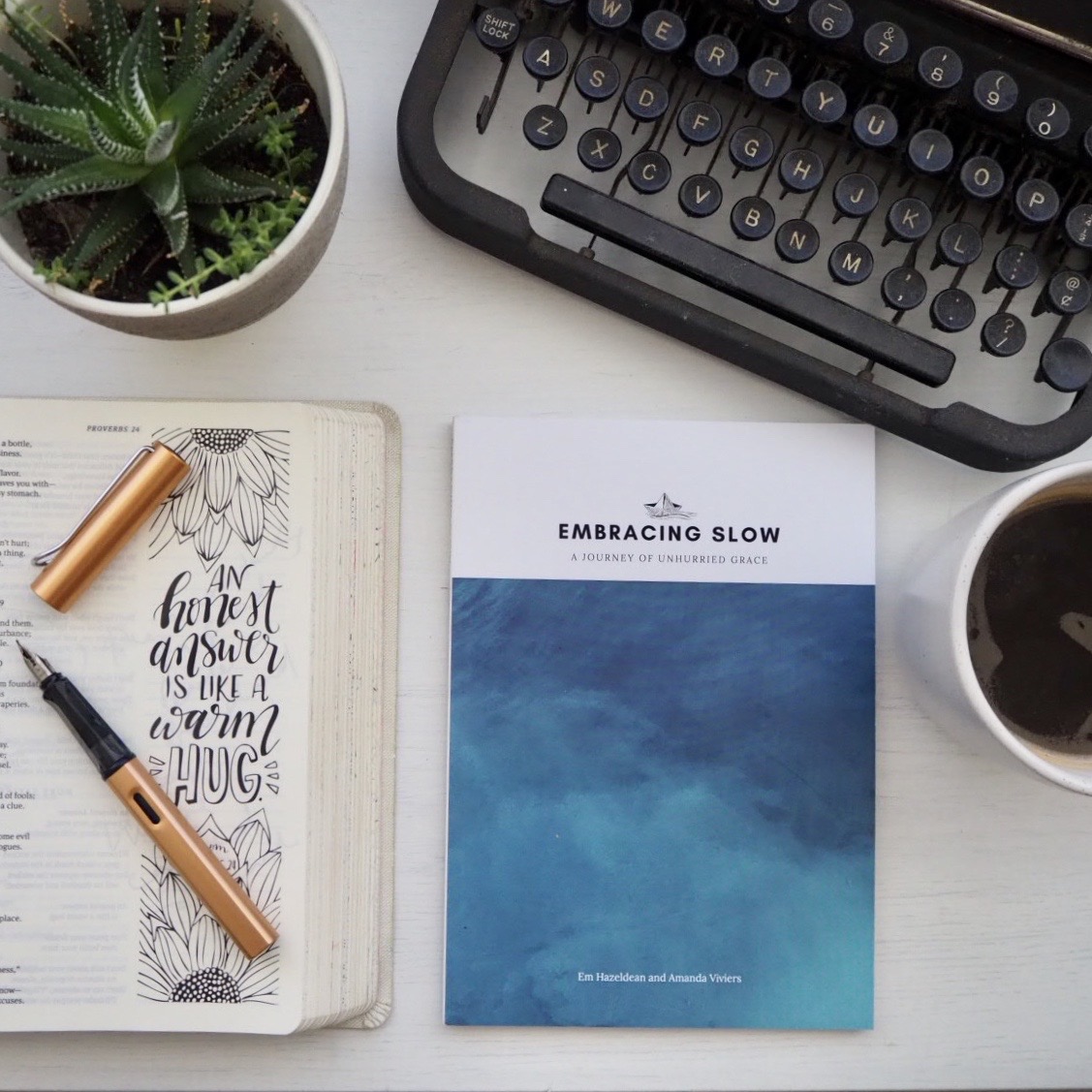
This year’s download includes an opportunity for six coaching calls with Amanda. The download link will be delivered with a Zoom call link. There will be 20 mins of encouragement and coaching, 20 mins of writing and retreating collectively, finishing with a time of question and answers with the Author.
This retreat practice has changed my life. The rhythm of our every day impacts the shape of our future. Yet, as a society, we do not give much time to pause and reflect. Journaling and reviewing your year can be valuable for emotional resilience, personal growth and self-reflection.
Playlist for Your End of Year Retreat
Gentle Rhythms Guided Journal includes:
31 pages of journaling questions and space to write.
This is not a physical product it is delivered digitally.
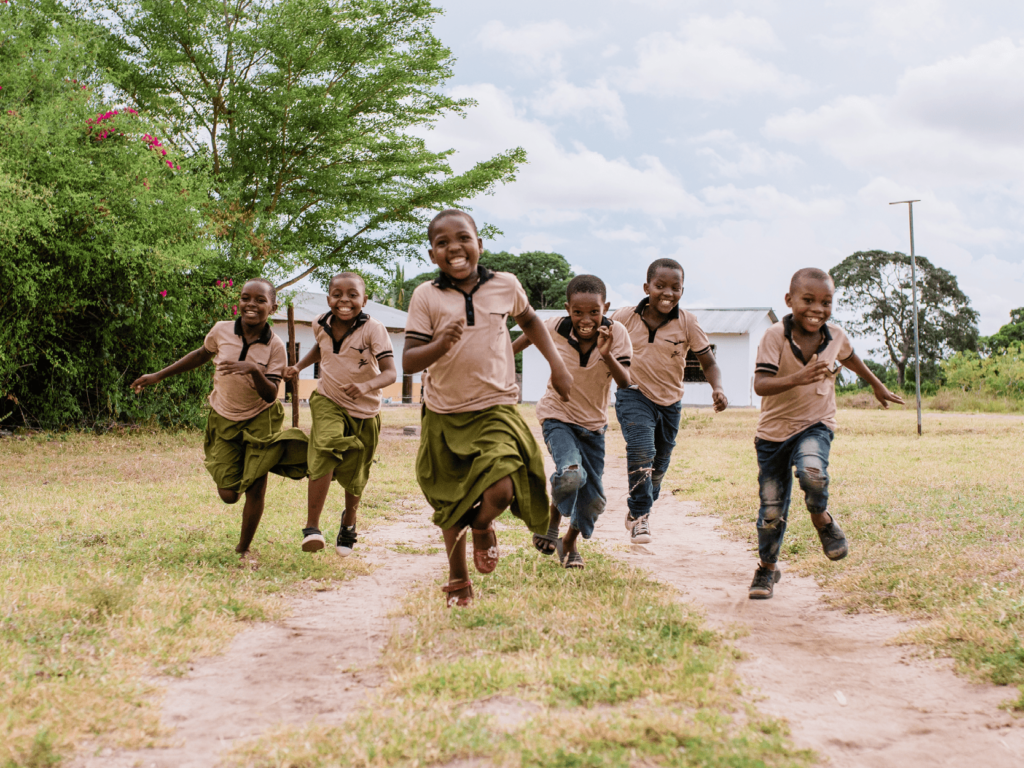
World Water Day is observed globally to highlight the importance of fresh water. It is hard to understand the context of the availability of water when it has always been there at the turn of a tap.
Today, as the world slows to recognise the importance of this sacred resource, we wanted to highlight some of the impacts of fresh water in the developing world.
Clean water is a privilege. It takes infrastructure, environmental policies and the capacity of communities to work together. This is something that often can be assumed to be a core part of every human’s existence. But it’s not! We are not all one and the same. The privileges afforded to some are not the same as others.
When safe water comes to a community, everything changes.
Access to safe water and sanitation is essential in preventing malnutrition, particularly during challenging times like the current global food crisis. When children have access to safe water and sanitation, they spend less time sick and more time playing and learning, while families are no longer forced to spend hours collecting water.
Currently, there are 345 million people experiencing severe food insecurity, and that number does not include 2 billion people globally who do not have access to safely managed drinking-water services.
A moment of reflection: What does it feel like to drink a glass of fresh water when you are thirsty?
Every person is made in the image of a loving, kind and generous God and they have the right to fresh drinking water. Two billion people can’t just turn on a tap to get water. This can be a shocking truth to digest in modern times.
It is an opportunity for us as Christians to reflect on what our response is and to help those who are most vulnerable.
A Collision of Crisis
The difficult collision of the global food crisis with unsafe water and sanitation is placing children’s lives at risk. Water is a key element that impacts children’s nutritional development. Safe water is even more important to children impacted by the global food crisis because unsafe water and sanitation can lead to, or worsen, malnutrition. Up to 50 percent of malnutrition is linked to chronic diarrhea, parasites and other infections caused by unsafe water and poor sanitation.
These conditions leave children unable to absorb nutrients properly, regardless of the food they eat. Because of this, access to safe water and sanitation is just as important as food for children and families facing food insecurity.1
Lessons Being Learnt
Lessons learned by Compassion globally can show us how we can continue to find ways to advocate and support this vital need in the developing world:
Water solutions need to be facilitated locally. Compassion knows that an important aspect of development work is that it needs to be facilitated by locals, and our local church partners have decades of trust and relationships within their community.
Another key to a successful, sustainable intervention is community ownership and education. As part of the project, the community is empowered with knowledge about hygiene, sanitation and water storage.
Access to water is for all, not just a small group. They have learnt that water initiatives have a far-reaching effect, often being open to the general community and not just the children or families involved in the programs.
Some countries that these lessons have been gathered from are:
In Ethiopia, Burkina Faso and Uganda, roughly half the population do not have access to basic drinking water (47%, 50%, 56% respectively).
In Kenya, Togo, and Haiti, roughly a third of the country do not have access to basic drinking water (62%, 69%, and 67% respectively.)
A moment of reflection: How can I learn more about the lived experience of poverty and the impact of water and sanitation?
Today, on the 22nd of March, we would like to encourage you to take a moment and pray.
Pray for those who are experiencing the Global Food Crisis and its impact. Pray for those who are experiencing the effect of water scarcity and its impact on their local neighbourhood. Also, let’s together remember to pray for the infrastructure and skill required to maintain these services in places of poverty, so that when safe water flows, everything changes!
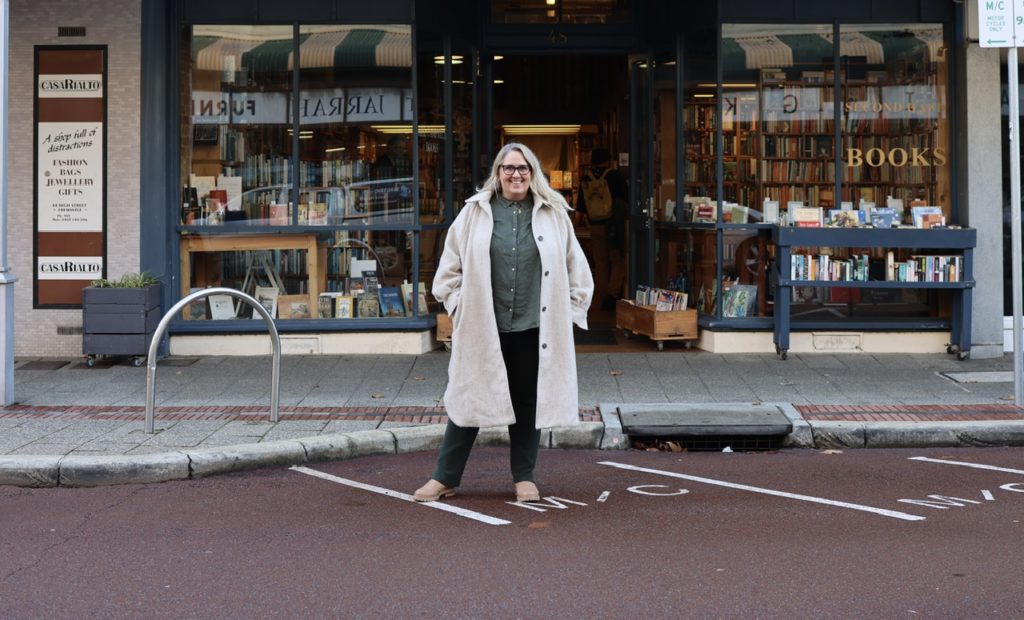
Amanda Viviers
Amanda is an author, public speaker and radio presenter with a BA double major in English and Comparative Literature and History. She studied Musical Theatre at WAPPA, birthing her deep love of creativity and innovation, and is the co-founder of?kinwomen, a radio network created to inspire women to start conversations that matter. She is an Executive Director at Compassion Australia. Driven by a passion for justice, she loves finding innovative ways to support children in developing countries and to help people find their voice.
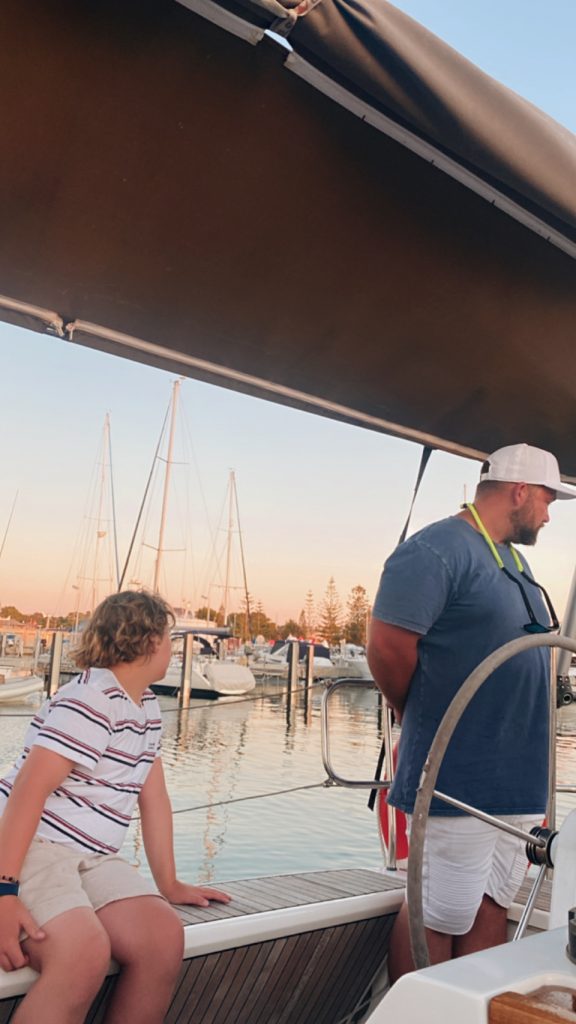
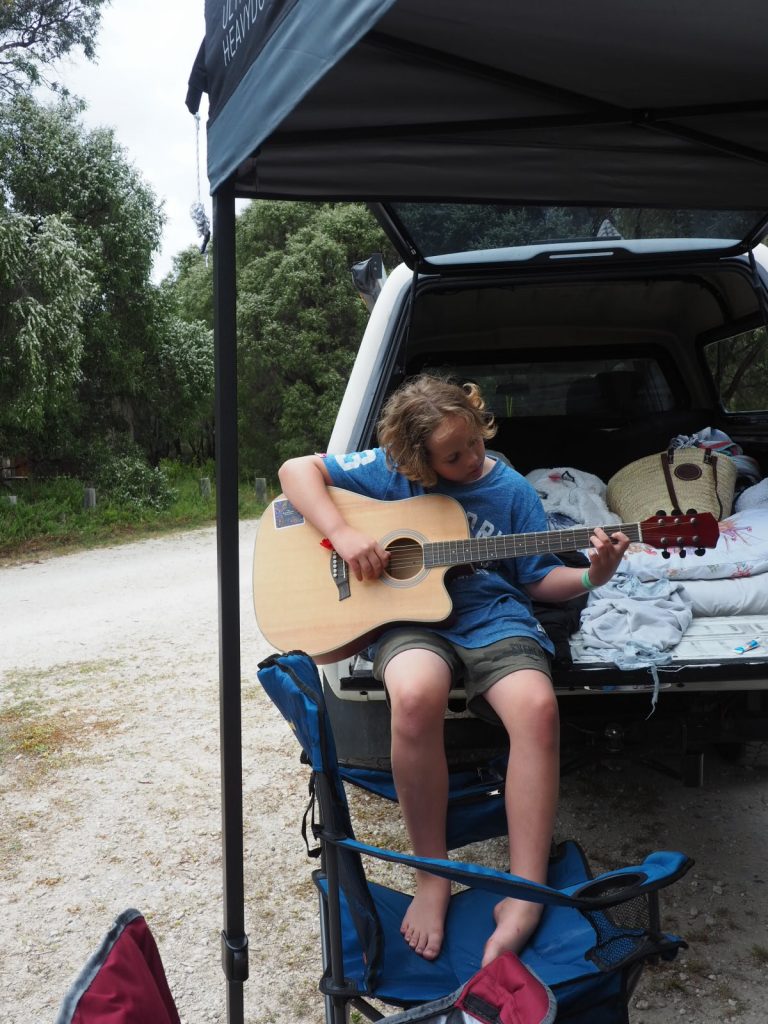
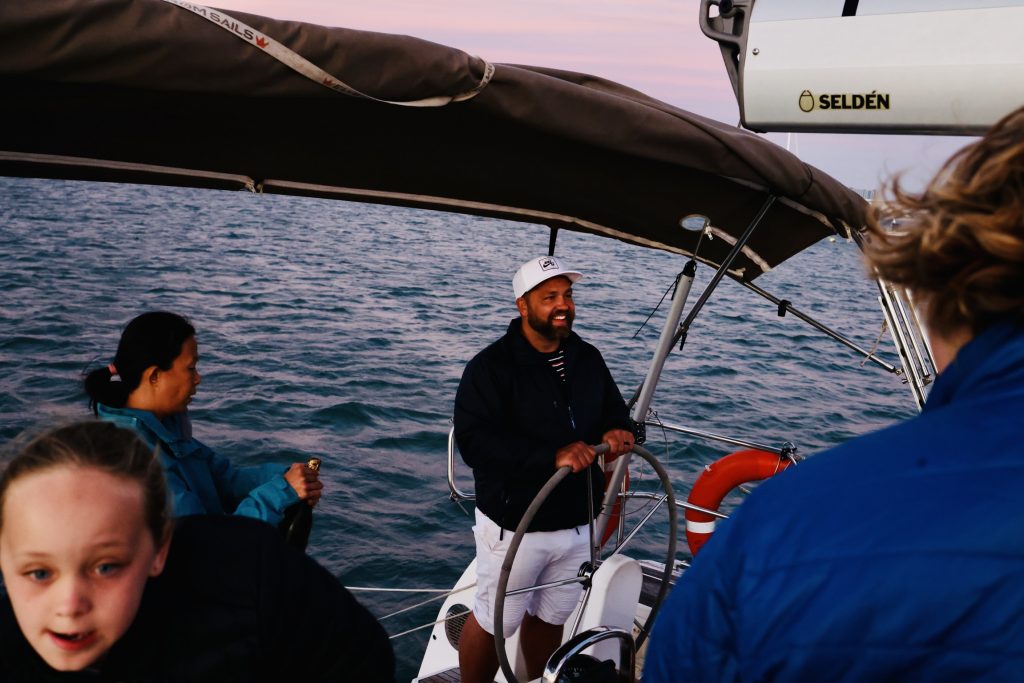
The beauty of a new year.Max is learning guitarMy captain.
Across the last week, I have been recreating the paths that bought me here today. If I was really honest with myself and you, I haven’t been feeling that great. Maybe it’s peri-menopause, or the aftereffect of a big few years of change— I’ve found myself questioning everything.
I had breakfast with a dear friend and we encouraged one another as fellow creative writers with young children. Unpacking the change in season as our parents get older and the juggle of jobs, businesses and the desire to be present to our families.
We chatted away and I found myself reflecting on the lessons I had learnt from swimming over the last year at the local pools. It’s a little bubble of humanity with so many different narratives and stories writhing. Each week, even through winter, I jumped in the pool and swam laps.
A lot of my conversations with my therapist ended up talking about my swimming. The cold water and it’s reset of my nervous system. My inability to stop thinking about my work, spending most of the laps, trying to solve problems. My changing body and the desire to move it, but how sluggish and overwhelmed it feels.
Last week I lost my AirPods, the awful part of the story is that I had only worn them a couple of times after getting them late in the year as a unexpected birthday present from my husband. He said to me “keep looking they will be somewhere random.” He smiled and said “your stuff always reappears”.
The deep sadness at the loss of my little sound machines, was this overwhelming disappointment I just could not shake. The feeling of loss, was the blur of what the last few years has entailed. I just kept repeating, my life is a blur and I spend so many days trying to help others, that I lose my own things because my kids, my family, my work are all swirling around my heart and life.
Those big feelings these days often precede my time of bleeding and the anxiety that rises in my soul is a breaking of my need for more. Then I slow down, I dig my feet into the sand and watch the sun set on another day, reminding myself that tomorrow is another day.
The air pods were found tucked away to bed in a little blue basket, I’m sure somewhere that I had once thought was a place of safety. And I find myself wanting to crawl into that basket and hide myself away as well. The daze of lost things always moves heavy on my soul, because I want things to be simpler, easier and less hectic.
As I listen to friends who’s children have now grown up and left their house they tell me “suddenly your days are quiet and you miss the meaningful hurry. You miss the chatter and full table. One day, it will be so very different”.
So how do I keep hold of my things, stay present to my family and still dream up ways to reconcile the hope I deeply feel in my heart when writing. Can these things ever reconcile?
I remember the little sentences I spoke to my friend at breakfast and reflect the mirror of advice back to myself.
“Just keep swimming. Swim through the problems, swim through the heartache, swim through the exhaustion. Just show up to the pool of your everyday and swim again.”
The fluid nature that my heart longs for, is to not hold onto it all so heavy. Just let the past remain there and the future is held in the hands of God.
Just be present, to each stroke, each breath, each anxious thought and release it into the hands of an ever-present loving God who wants to traverse this season in the everyday with me once again.
Each time I am present in those moments that I want to run away with my thoughts and solve all the problems on my own, I remember that my helplessness is met in the messiest places by the helper. I’ve realised lately that the things I worry about and obsess over, when released into his care are profoundly lighter.
Everything is going to be okay.
And even when it’s not, we can continue to show up to the difficulty with the honest answer of telling the truth.
Three journaling prompts I wrote to my subscribers this week focus on the following themes- connection, authenticity and gratitude.
What am I thankful for?
What do I need to be honest about?
Who can I reach out to?
Write your answers to these three questions and you will be surprised at the perspective shift that comes quickly. We all long for connection, truthfulness and a realistic view on what we have already.
Continue on dreamweaver. Just keep swimming, show up for another day. Let’s be honest, especially with one another. It doesn’t matter if you haven’t set revolutionary goals this new year. Each year I choose a book of the Bible to focus on, rather than trying to rush through the whole and this year, I am going to read a Psalm as often as I can. Mostly each day, but also give myself the grace, to just lean towards Jesus, no matter what the day holds. Not out of religious practice, but seeking out the answers of His present help in time of need. To delight in the beauty of who He is.
“Wait for the Lord; be strong and take heart and wait for the Lord.”
Psalm 34: 4-5 “I prayed to the Lord and he answered me from my fears! Those who look to Him for help will be radiant with joy”.
I stood by the kitchen bench watching my Aunt make sandwich after sandwich (in the days when gluten wasn’t the enemy). She would make a stack for each face looking around the corner, the number of eyes went on and on.
She had a growing gang of children around her legs, her apron floured and floors dirty. Not counting the eight she birthed, cousins, neighbours and school friends swirled her kitchen bench. It wasn’t unusual for her to slap butter and jam on two dozen rounds. Next a watermelon was sliced on the terrace. And children would scurry from every hiding place, including the teepee we had constructed from a tree and sheets in the block next door.
I just remember standing next to her in the kitchen watching row upon row of sandwich being constructed and telling stories from my day. I remember her presence. I remember the smell of her baking and the rollers in her hair.
Somedays I wonder what stories my children will remember, you know the inconsequential butter and jam moments, that run quickly through my life, but remembered 30 years later. I think my New Years theology focuses more on the highlights, the goals achieved, than the lowlights of preparing food for the circle who gather.
I never heard my Aunt complain, that’s probably because I didn’t live in her house full time, although sometimes I’m sure she thought we did. The memory of that little moment, wasn’t about the lunch being collated for anyone who was close-by, it was her present attention. Her nods, smiles and wonder. Her warmth, slowness and intention. The homemade biscuits, cordial and table. Somedays I wonder if I’ve missed moments lost inside my mind. In fact, I’m sure I have. Lost within my lies.
I grew up recreating moments in the future, to hold onto the surety I felt in the now. You can find me dreaming up new and better possibilities rather than staying present to the current reality. This recreating in the future doesn’t happens when I’m stressed, overwhelmed and anxious. It is always when I feel great, a memory in the making and those filled with goodness. Like I can’t just exist in that moment of presence, I need to recreate it again, control the future in case it never comes again.
Do you spend the present trying to control the future?
Rather than experiencing the holiday, I would be planning the next one.
Instead of celebrating the win, I’d be processing what it would take to achieve more.
As I sit at a table with family and friends, I find myself trying to recreate the moment in the future.
I think I believed the lie; if I try hard enough, I will be enough, more than I am right now and pain won’t ever dawn our door again.
It is a lie.
I discovered the lie recently when my husband said out loud about our house “this house is enough” and I looked up from my phone and my head tilted. I’d never really considered that what I had in my life was actually enough. Of course when I reflect on the disparity between my life and others, the global famine, the rental crisis be the increase of family breakdown from the pressure of post pandemic world. I am stilled, grateful, humbled but then I continue on believing what our culture sells us in every ad retargeted that we need more.
Recently a university professor asked me if I struggled with perfection. Straight away I replied “of course not…oh, maybe. Gosh, I’ve never considered it that way” and he smiled.
You see enoughness has never looked like perfection, because I just couldn’t ever imagine anything feeling finished. This feedback was contextual to me failing an exam, that I’d worked really hard to try and pass. In the same week I couldn’t finish an ocean swim, although I trained all year and the day before finished easily.
The desire for more runs deep within my theological veins. It’s a place I have traversed often in prayer, moments of surrender, when I just can’t take the pressure any more. A lie that contentment is a place in the future, rather that the platitude of gratitude for what I have rather than have not.
The second lie I uncovered recently that took hold in the corridors of hope twenty years ago. The teeth gritting determined stance of living a supposed “purpose-driven life”. This pressure of making meaning and every moment mattering created a vortex of helping others for this helper.
If something wasn’t purposeful then maybe it wasn’t worthy and then I find myself back at my Aunts 70’s kitchen and her jam countertop parade and the feeling of contentment swirl the drain once again.
I swing from dreaming of deleting every social media, cancelling my radio commitments, throwing my latest manuscript in the fire and saying no to everything for a year. To wanting to record a podcast, write a weekly newsletter and fire up my blog once again.
You see writing is an act of presence for me, it’s a rebellious act of regurgitation, where the lies stuck in my mind, get recalibrated once again. The problem is I then begin to feel the weight of performance and achievement whisper promises of enoughness and I recoil once again. Performance, purpose and more are themes of my autobiography and the only prescription is perspective.
Each New Year I ask myself a set questions, that help me to repent my desire for notoriety once again. This writing practice is not about resolutions, losing weight, finding faith or new occupations. It is the heart beat of reconciliation, that audits my obsessions to find presence once again.
Recently I’ve believed another lie (in my pursuit of unravelling the purposeful life context) that God doesn’t really care or walk with us in the details of our days.
Can He really be present to every need in our world?
Without thinking I wrote a text to my close group of friends and said “If I die the same age as my Dad did, then I only have 20 more years to go.” And I’m sure they didn’t mean to, because I’ve known them for such a long time, but the messages rolled on through and no one acknowledged this moment of sheer vulnerability, even with a joke of “stop being morose Viviers” but losing two fathers in a short space of time does something deep in the fractured foundation of your surety, your understanding of what’s important and what’s not.
2022 bought so many difficulties, so many that are not publicly consumable and some just not my stories to share but somehow with the headwind that has blown strongly against my hope I’ve believed that God is not present in our pain.
However I come back to perfection again, I remember all the times He has been present in my pain and the lie is exposed. He is my help, my perfection and my surrender.
The word that I am focusing on for 2023 is “presence”. My present attention to my family. My seeking of His presence in my very ordinary moments and remaining present in the moment rather than running off into the future. Just like my Aunt making jam sandwiches for the children who gathered around her skirt, may I sink into the very moments of grace extended in my everyday. Remembering that hope is on its way.
May His hope, help and friendship hold you steady friend in anything that 2023 brings us.
Here’s a list of 25 questions to journal with and find ways to shift the inner critic and move towards compassion.
Acknowledge how you feel today?
How can you give yourself permission to do something life-giving today?
What do I need right now, small, big or in-between?
Who are the people in my life who are nonjudgmental, trustworthy and genuinely have my heart in mind?
How can I spend more time with them in the next month, send a text or email now?
What is one healthy thing I can do to support myself to reframe the current mood?
When do I feel happy?
What are the stories that are regularly playing in my head, listen with curiosity?
What is one story that doesn’t support me, which I can re-story?
How can acknowledge a persistent problem in my life, can you write a list of what is not working?
What is one feeling that I struggle to feel?
What habits help me move through this emotion?
What do I need to feel loved from my partner or close friend, name three things?
What makes my heart come alive?
How would I speak to a friend who has the same problem I am grappling with today, write a short letter or text to them to encourage and then replace your name?
How do I wish I was parented when I was six years old?
What is stopping me from being kind to myself?
What is one tiny step I can take to chip away at the wall in front of me, stopping me from starting to address a project or problem?
What is one word that I feel comfortable saying to myself when I need support?
What is something interesting I’d like to explore this week?
If I loved myself fully, how would I treat myself every day?
What’s one small way I can start doing that today?
What’s a lesson I can learn from a recent mistake?
What are my greatest qualities?
What is a brave move this week?
To take a personal retreat with more questions like these to reframe with self-compassion, listen to this playlist and order your copy of Begin Again, a personal day retreat guided journal.